


A couple of weeks ago we looked at prop firms potentially facing problems with banks and payment providers.
The team at Paytiko had some of their own thoughts.
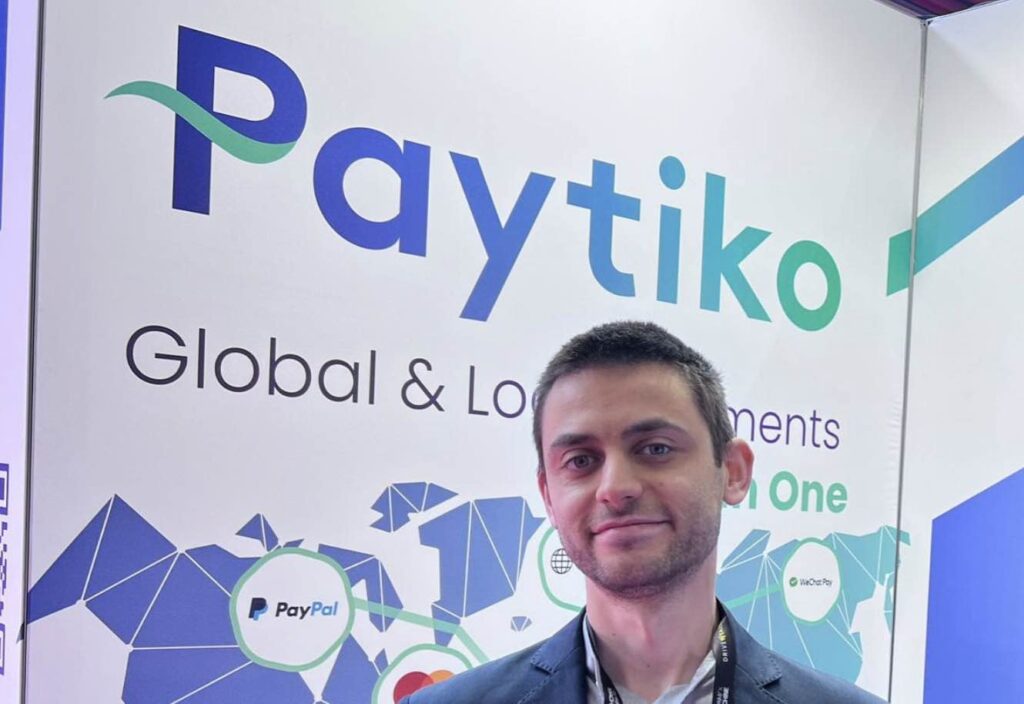
Paytiko serves more than 700 props and we spoke to Milen Marinov, the payment firm’s Chief Product Officer, about what’s happening with banks, what props are doing response, and even a quick horror story.
Are prop firms facing more scrutiny from banks?
The key component is the funded part, and the answer is YES – heavily, especially as of this year in the UAE. The Paytiko model is to leverage our stable reputation and added value services to offer fair infrastructure for new firms.
There is a lot of external scrutiny involved when it comes to major markets – EU domestic companies, UK companies, UAE companies, worst of all USA domestic. But the tendency is that more and more firms are offshore now. Very offshore – far away from any international airport.
In general, banks “would love to onboard” a prop firm if it’s located on the end-of-the-world island with no actual physical office, human workforce, or stable financial backing, proper management CV, therefore we have to leverage our reputation and resources once again to offer market exposure especially to offshore zones.
I can share that the majority of our newly onboarded clients are from St. Lucia and other deep offshore jurisdictions, where it is and should be expected that the service would be a bit more costly than global continental markets, due to the complications of the offshore zone itself.
However, the model is only one – banks, payment providers, financial institutions simply want guarantees, which prop firms do not want to give or understand. So, it becomes very much a chicken and egg situation coming into the point that in the UAE for example, local payment providers and banks are not willing to accept prop firms unless they are working with Paytiko, or being backed by serious deposits to guarantee stability, which means that the market is tightening up for this business model.
Are there regional differences for prop firm payments? Are some countries making life harder than others?
For sure. For example, the UAE has actually introduced a license which is and will affect all firms and it is specifically targeted at regulating and controlling the firms, essentially forcing them to get licensed with this regulatory framework on their commercial license activities.
Out of all our UAE clients, only 15% have it at this time and we have advised all of them to consider that starting 2026 we will be adjusting their payments outside of their domestic area if they did not get this license by end of year. Every region has its nuances and complexities. Mostly facilitating a working bank account is a challenge that once the activity is disclosed, becomes a very “fill-more-forms” driven case.
What can props do to make sure they don’t get whacked by banks / payment providers?
Every firm should aim to diversify its payment providers and avoid chargebacks like the plague. Do your payouts on time, as per your stated terms, because client reviews are critical to your success. Be open about your financials and intentions for marketing costs during any onboardings. 5 out of 10 onboardings promise great volumes, however growth takes time and effort, not only pre-launch traction. Terms and conditions need to be crystal clear, same with the company jurisdiction as well.
Do you have any horror stories you can share from the prop firm industry?
Ah yes, here we go – last year, a growing firm, already in its 4th month of live traffic, does great volume, stable payouts and user traction with a stable base of followers.
Suddenly, on an average weekday, in the early hours of the day, the website content is suddenly replaced with a baby cosmetics products shop. Naturally, all payments stop, we stop the service.
Our first thought is – ???? – maybe they changed the URL and didn’t notify anyone overnight.
We call the firm – they aren’t responding immediately. Finally, in 15 minutes the firm owners respond, claiming they “had to replace the website” for security reasons during trading platform migration and after some more time the old website is back on track. However, all this within let’s say a 2–3-hour window has caused a big stir over the traders and boom chargebacks start floating around. For the record – the firm took a good course for 3 more months after that day and finally got merged with a broker.
Are there any other points you think props should be aware of – either in general or relating to payments?
Firms should never make the mistake of onboarding payment solutions that have a ‘fully automated’ onboarding process and no-human involvement, as the chances of getting frozen/offboarded within 1-2 weeks are very real and the loss that these firms incur, either kills them or kills their chances of a general growth within 1-2 months.
Getting offboarded by a large provider is not a good look, the website gets flagged and that can lead to further consequences that can easily be avoided.
As of today, Paytiko is servicing more than 700 active proprietary trading firms, and we fully understand the industry and validate what payments stability means when it comes to the survival of a firm during its growth stage.
Our goal is to be the fastest go-to-market solution, whereas we offer payment processing within 24 hours of completion of the onboarding and integration. Firms can reach any market, leverage their client needs in those markets by receiving optimized payment solutions which are precise and local. No empty clicks, no never-ending loading and most of all – guaranteed diversified payment methods.