Readers don’t need reminding that it has been a crazy year in markets. Back in April several brokers reported some of their highest volume days of business on record.
More recently, October saw a big correction in the gold price and a sharp drop in bitcoin.
Maintaining solid pricing in these sorts of markets is hard.
Rostro Group, which operates retail brand Scope Markets and liquidity provider Scope Prime, maintained 100% uptime across both divisions during the period. Unlike some providers, who were holding up withdrawals for clients, the broker has also continued to provide solid services to both retail and institutional clients.
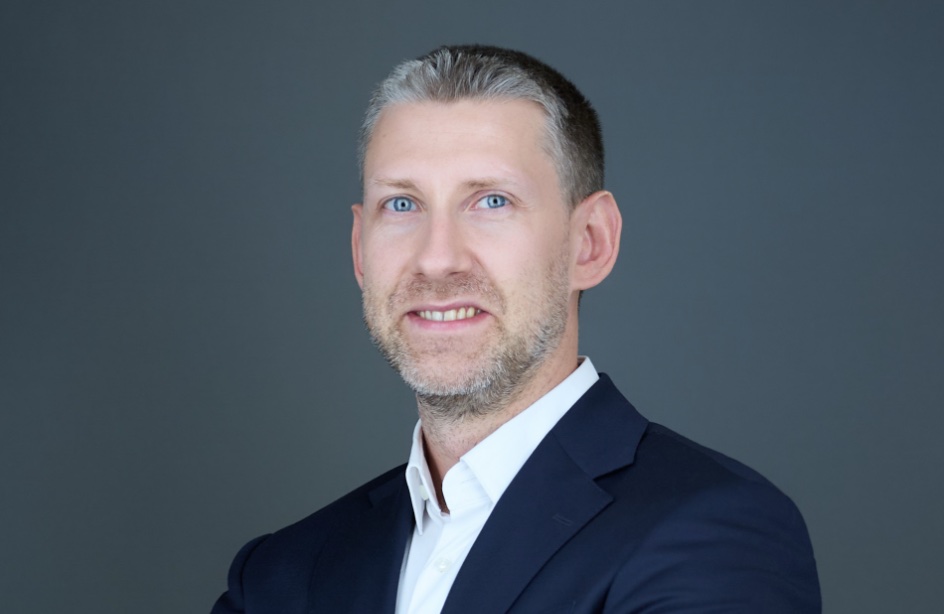
We spoke to Pavel Spirin, Rostro’s Chief Growth Officer, to find out how.
October’s gold volatility caught much of the market off guard, with some brokers reportedly facing liquidity and operational strains. How did Scope Markets and Scope Prime manage through this period?
The past few weeks have been a real test for the industry. Gold blew through record highs and corrected sharply, and when volatility spikes that fast, it tends to expose concentration risk. It’s periods like this that separate resilience from reaction.
For us, this is exactly what our structure was built for. Both Scope Markets and Scope Prime maintained 100% uptime across multi-feed metals pricing, uninterrupted client access, and on-time settlements.
Our multi-LP, multi-venue model means we’re not dependent on a single liquidity provider or venue. When one stream tightens, others compensate, so we can keep operating normally even when specific counterparties may experience stress. That’s the benefit of diversification by design, not an afterthought.
You mention diversification by design. What does counterparty diversity actually look like in practice?
It starts with how we source and manage liquidity. We aggregate liquidity from 10+ Tier 1 metals venues, including top exchanges and market makers. On any given day, around 40% of our metals volume is hedged across at least three venues, and no single venue accounts for more than 20% of our hedged exposure. That gives us depth and flexibility and it ensures we’re never exposed to single-point failures.
It’s a balanced system that allows us to operate smoothly even when one part of the market becomes disorderly. And this design proved itself during the recent gold volatility; where others may have paused or delayed, our clients experienced zero disruption.
Liquidity and collateral management are critical in volatile markets. How conservative is your approach?
Our risk model is deliberately conservative. We maintain liquidity buffers well above regulatory minimums and stress-test those buffers regularly for exactly the kind of volatility we’ve seen recently.
In practice, that means we can continue normal operations – pricing, execution, settlements – even in extreme conditions. We view liquidity and capital strength as operational disciplines, not just financial metrics. They allow us to deliver consistency to our clients regardless of what the market is doing.
We also maintain a robust balance sheet with substantial own-funds surpluses, meaning we could comfortably sustain trading volumes that are multiples of what we saw during October’s record levels. Our daily XAU stress tests cover a wide value-at-risk range, ensuring we can absorb even the sharpest price dislocations without compromising client settlements or operations.
This is what we mean by conservative collateralisation. As I’ve already mentioned, we operate well above regulatory requirements to ensure that no matter how unpredictable the market becomes, our clients experience continuity and confidence.
There have been industry reports of brokers delaying withdrawals or halting trading during the volatility. How did your infrastructure hold up?
We had no interruptions, no settlement delays, and no exposure concentration issues during this period. That’s a credit to the way our systems, treasury, and risk functions are integrated.
Our operational frameworks are designed for continuity. The entire process, from trade execution to client settlements, is supported by real-time oversight and liquidity monitoring. We plan for disorderly markets long before they arrive, which means when volatility spikes, our teams are focused on managing volume, not reacting to stress.
Operational resilience is something many brokers claim to have. What does it mean for you in practice?
For me, operational resilience is about consistency under pressure. Period. You can have all the technology in the world, but if you don’t have the discipline to use it effectively, it won’t protect you when markets turn volatile.
At Rostro, we’ve built resilience around three core principles: diversified liquidity – so no single dependency can cause disruption; conservative capital management – strong capital and liquidity buffers, regularly stress-tested; and robust governance – keeping decision making disciplined, even in turbulent markets. Those are the foundations that allow our brands to operate responsibly, even under pressure.
It’s the kind of resilience you can’t build overnight, and this is what we take pride in at Rostro. This is the result of planning, constant testing, and a culture that values control as much as innovation.
Looking ahead, do you expect this level of volatility to continue, and how do you position the group for it?
Volatility is an intrinsic part of the market. It’s a by-product of shifting monetary policy, geopolitical uncertainty, and changing investor sentiment. What matters is how you prepare for it. So yes, we expect more of it.
The key isn’t to predict when it might happen, but to be structurally prepared for it. Our philosophy has always been to design systems that perform well in both quiet and disorderly conditions.
Our diversified liquidity stack, strong capital position, and robust operational controls allow us to perform consistently across market cycles. Whether it’s metals, FX, or digital assets, our approach doesn’t change: protect clients, preserve stability, and keep trading.