
Welcome back to the C-Suite, a once-a-month interview where we speak to senior executives in the online trading industry.
New broker MultiFi went live at the start of April. Since then it’s generated over $5bn in volume and more than $6m in client deposits.
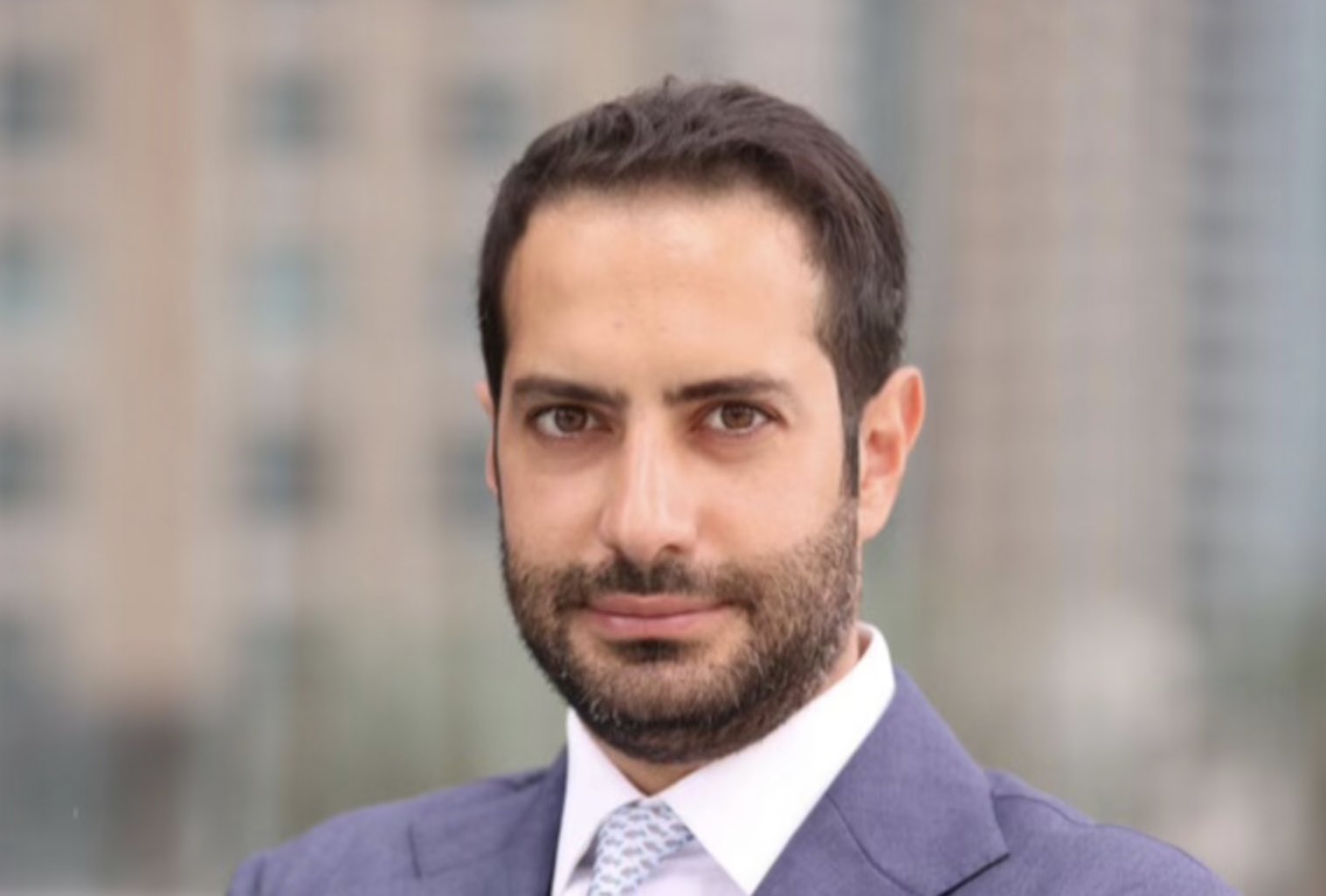
For this month’s interview, we spoke to Founders Rawad Dagher and Elie Abou Nader.
Prior to launching MultiFi, Rawad worked at CFI for seven years and held several senior roles at the firm, including overseeing the product department and a stint as Global Co-Head of Dealing. Elie comes from outside the industry, having previously worked in the hedge fund sector.

Get real Prime of Prime liquidity with ATFX Connect
DK: Firstly, how did you guys end up working together and starting MultiFi?
EN: I was doing an internship at a brokerage firm where Rawad used to work about a decade ago. Afterwards, we went our separate ways. I went into capital markets, private equity, and the hedge fund industry, while Rawad moved to CFI and into the trading world.
We always had this idea of starting a broker though because we both love trading. So after 10 years, we both have complementary skill sets and we thought, ‘why not do it?’
DK: Why did you want to move into the space though? Obviously you come from the hedge fund world, so why get involved in OTC trading?
RD: If I can answer that, it’s actually very simple – we both love trading. A lot of people in our industry like the commercial side of the business but we genuinely love trading.
When we met at the internship, we started trading together. Elie would have trades and share them with me, and I would do the same. We traded small amounts on stocks and FX and developed our friendship from there. We balance each other out very well in terms of the style of trading and how we think about markets.
The idea for MultiFi really started when I began sharing stories about my experience at CFI, which Elie found interesting. We thought it might be a good business to look into. As I got more involved, he saw the opportunity as well, and we decided to do something together.

Trade on Raw Pricing with IC Markets
DK: From speaking to you previously Rawad, my impression was you want to keep this fairly niche and small, for higher end clientele. Is that the case?
RD: We definitely want to scale, but we also want to remain somewhat exclusive for our clients. We want to stay actively involved with them rather than just becoming a mass-market operation. Unlike a massive institution where you open an account and only speak to a representative asking you for KYC documents, we interact with our clients, share ideas, and invite them to the office. That will obviously become harder, but we want to keep that style of business, even as we grow.
DK: Do you think you will focus purely on Lebanon and the MENA region, or do you have other plans?
EN: Obviously, we have other plans, but for now, we are focusing on Lebanon. We’re doing it step by step, region by region. Once we see that Lebanon is self-sufficient, we can start moving to another region and build from A to Z with the licensing and the team. We want to establish a completely stable foundation in one country before expanding.
DK: Is there enough money and wealth in Lebanon for it to be sustainable? Looking from the outside, there are maybe four or five million people. So it’s not a big market.
EN: You may have four million people, but I would guess 90% of them are traders. The market is very, very popular here.
RD: Many of our targets are also Lebanese expatriates living in the UAE, Saudi Arabia, and Europe. We are trying to become the preferred broker for Lebanese clients living abroad as well.

Launch Prediction Markets today with Match-Trader
However, in Lebanon itself, while it might look like a tough market from the outside, there is a lot of appetite for trading. Culturally, people here are ambitious. They want to grow their money, invest, and learn about trading. Day trading has become an alternative source of income since there aren’t many traditional opportunities available. On top of that, due to Lebanon’s economic crisis and failing banking system, people are looking for alternatives. Keeping their money with trading brokers is often preferable to keeping money with banks.
DK: In terms of products, since you trade the markets yourselves, do you feel there is something new or interesting you can bring? When looking at existing brokers, did you see aspects you disliked and decide to do things differently?
RD: We want to ultimately have all products in one place, so you can invest long-term or trade short-term. We have US shares already and we’ll add more going forward. So the focus is not just on speculation and high leverage. We want people to have their investments and trading activity in one place.
DK: You launched in April. What has it been like so far?
EN: Because of Rawad’s and my network, people know our backgrounds and they know they can trust us. That’s how we converted large amounts early on. We already have 140 clients in our first two months, and deposits are over $6m.

Hedge your crypto risk with Scope Prime
DK: The actual investment to set everything up came from a hedge fund. Was it difficult to convince them to invest? For example, when I speak to old colleagues from the asset management world about the retail brokerage industry, they find it completely foreign to them. It’s not something they would get involved in.
EN: They understand the industry and want exposure to this space, provided it’s done properly and we aren’t just letting people gamble. Our priority is teaching people how to make money. We want winning clients who generate consistent volume, so they make money and we make money. Coming from the hedge fund space, our mentality is geared toward protecting investors.
Other brokerages often bet against their own clients, which means they constantly need marketing to replace clients who blow their accounts. We want our clients to take calculated risks, keep leverage low, and use our market insights. In a hedge fund, if you have two or three negative years, you’re out of the market. It’s the same for active retail traders; a few blown deposits and they are out. We aim to build a portfolio of good traders, not gamblers seeking crazy leverage.
DK: How much of the logistical side of the business are you doing in-house? Do you have your own dealing team, or are you outsourcing most of that?
RD: We don’t outsource much. We already have a team of around 22 people. We started by bringing in a Head of Research with 14 years of experience. He used to be my mentor. We focus heavily on education. We do use external tech support to handle server administration and configuration, but our dealing decisions and risk management are handled in-house based on strict rules.

Manage your risk with Hantec Prime
EN: Since we are essentially STP, we aren’t betting against our clients. We buy what they buy, so we don’t take a view against them. That’s why we don’t need a massive risk department.
DK: Since you started the company, has anything been significantly more difficult or complicated than you anticipated?
RD: Actually, because of my product development background at CFI, the setup was much simpler than we thought it would be. We bought the license and launched the MVP in about five months. We didn’t wait to have a perfect, massive product. We started with the essentials – 60 products and one payment provider.
Now we have over 5,000 products and multiple payment methods. It’s challenging because we started with just two or three people, and now we’re rapidly expanding our team, investing in legal, marketing, and business development to support our growth.
DK: Are you going to be based entirely in Beirut for now, or will you move to Dubai?
RD: For the first six months, our main office will be in Beirut. We have plans to open in Dubai, but we want to ensure our infrastructure in Lebanon is flawless first. Step two is expanding into the MENA region, and Dubai is the financial hub where we must be present.

All the best brokers use Pelican for copy trading – why don’t you?
DK: You seem very optimistic. Looking at the region from the outside, you will forgive me for not entirely feeling the same way. What gives?
EN: To be honest, even though I am not happy to say it at all, we have been living this way for so long that we are used to it. So we know we can handle things and get through them. It’s not going to stop us.
RD: From my experience now in the industry, I realised that when people start aggressively shorting oil, it implies they expect a quiet, peaceful year. When they start buying oil, the opposite is true. So we are hoping more people will short oil soon but now it’s not happening.
DK: You’ve just started but do you have some 5-year vision of what you’d like to be? Do you think to yourselves, ‘one day we want MultiFi to be x’?

Manage your broker’s risk with Centroid Solutions
RD: We want to be the best in every vertical we offer. In Lebanon, we want to be the number one trusted brand for investing and trading. From there, we want to significantly grow our market share across the Middle East.
EN: Our ultimate motivation is to go global. We want anyone, regardless of jurisdiction, to have access to us. Doing it properly takes time. Securing licensing, building teams, and establishing banking and liquidity structures. Once we perfect the model in Lebanon, we can duplicate it in other regions. It just takes time, particularly as we always want to find people with the right skills and mindset to make us grow.
DK: I’m sure you’ll do it.