
Reach over 8m traders with cTrader
The basic problem I have writing about some stuff with this industry is that it’s very easy to miss things when you aren’t physically in a place.
For example, if you’re reading this in Dubai, were you aware that IG’s UK entity is currently running a massive ad campaign using a chicken or that they just finished one with 1980s tennis player Pat Cash? Probably not.
Similarly, I am not in Dubai and so can’t see who the newest firm is to have billboards plastering the highway or who is sponsoring the latest hummus with ful festival.

Put your broker in prime position with ATFX Connect
When you do speak with people in the UK about the UAE, a lot of the time they’ll go ‘it’s different out there bro, it’s not IG you’re competing with. It’s CFI, it’s Equiti.”
Is this entirely true? Yes. But also Capital.com seems to be doing as well or better than those two firms, in terms of trading volumes, web traffic, and app downloads. Alas, that’s for another time. So let’s see what Equiti and CFI are doing.
Rumours, which are definitely not confirmed, suggest that CFI does somewhere in the region of $200m revenue. Equiti I have no idea.
Neither company gets a crazy amount of traffic.
CFI gets ~250k visits each month, according to SimilarWeb. Equiti gets approximately 350k across its two main URLs.
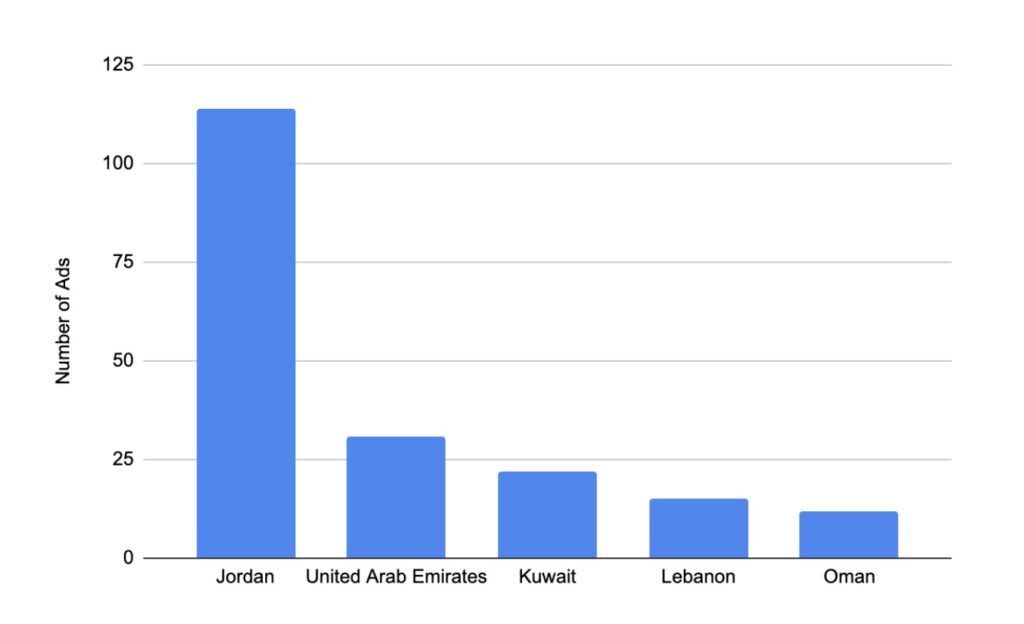
Above is a sample of 200 ads that CFI is running on Google’s platforms. Some of these have been live for a long time, others are more recent. Note also that there can be overlap between them. For example, an ad showing in Jordan could also show in Kuwait.
The big ramp up in Jordanian ads started in April of this year. Prior to that, the UAE was the main spot the broker was targeting.

Trade crypto CFDs with deep liquidity and no downtime
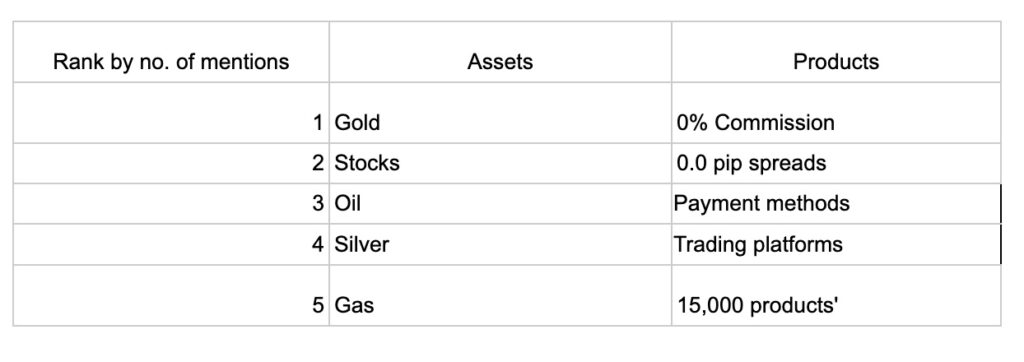
As an aside, the top five assets / products they used in their ads were as follows…
Equiti is a bit different because they have three main URLs. One is for the Seychelles, which is the .com URL. Equiti.finance links to both its UAE and Seychelles-regulated entities. Then there is FXPesa, which it uses for Kenya and other African markets. We’ll ignore the FXPesa one for this article. The .finance URL went live at the end of last year and my guess is it was to stop people in the UAE from onboarding in the Seychelles or to have some sort of delineation between those two entities.
The .com URL appears to be working with DEPT, a Dutch marketing agency. At the very least, a DEPT company is posting a huge amount of Google ads for Equiti.
The goal with these just seems to be to spam the entire world with ads, particularly Europe, so I don’t think they tell us much about the company’s activities.

All the best brokers use Pelican for copy trading – so why don’t you?
Ads for the company’s .finance URL appear to be managed in-house. These are much more what you’d expect.
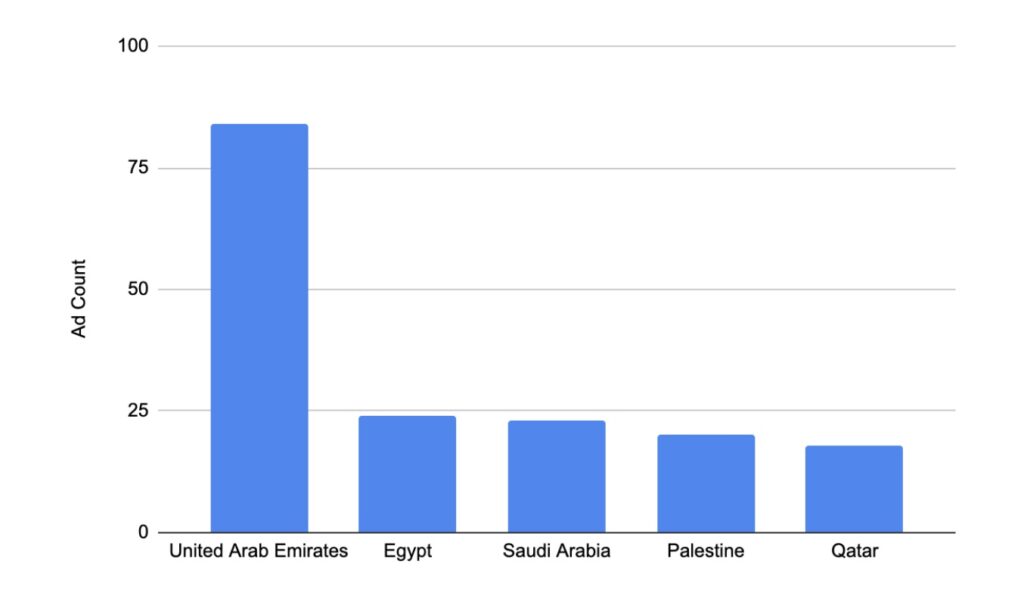
Here the company is spamming the Middle East with Google ads. Not that surprising as it’s their ‘home’ market.
The product mentions are also pretty similar to CFI’s…
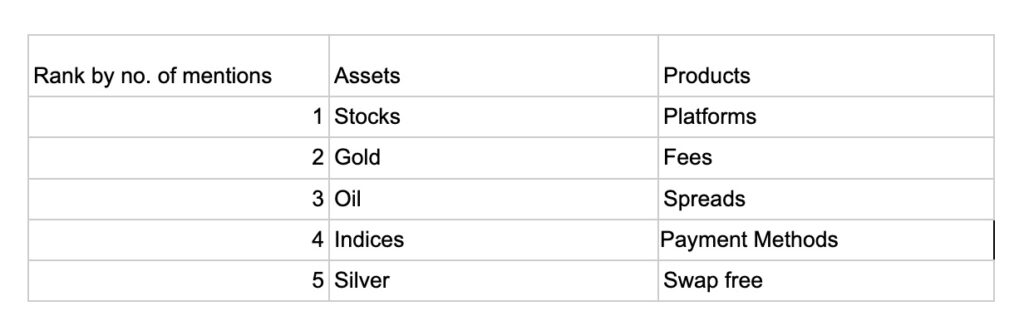
As an aside, it’s plausible platforms were mentioned so much in their ads as a way of adhering to Google’s advertising rules.
Eg. if someone in Saudi searches ‘MT5 broker’ and you link to a page about your platforms, maybe you are not advertising an investment product?

Use Centroid to manage your broker’s risk
Both companies run very similar content on Meta’s platforms but it looks to be just huge volumes of churn content using DCO. Nearly all of it targets the MENA region as well, although CFI is also running some ads on its English account targeting South Africa.
CFI currently ranks 21st in the iOS store in Jordan for finance apps. But in the UAE it’s in the 302nd spot. My assumption would be they’re in a much less competitive space in Jordan, so they are willing to play the ‘game’. In the UAE it’s so competitive that it’s not worth it.

Start hedging with Hantec Prime
At the same time, it seems like what both companies do more is to invest massively in big branding efforts, and potentially paid ads are just another component of that. This is why a lot of it just feels like content churn, rather than something more targeted or deliberate.
CFI seems to have more of a formula where they (1) go to a specific country (2) establish a local presence (3) do big local branding. For example, in the last 18 months they entered South Africa, built an office there, and then sponsored a local cricket team.
The bulk of their Meta ads targeting South Africa use the local cricket partnership as well. They’ve used a similar strategy in markets like Jordan, Lebanon, and Abu Dhabi. Probably they’ll do the same in Azerbaijan and Bahrain.
To complement that more local activity they then do ‘big’ global brand sponsorships, like with PSG or Lewis Hamilton. When I was in Dubai last year, they were using that to do massive, out of home spam campaigns. They appear to have done the same thing in Jordan this year too.
You then finish that off with more direct sales activities, using IB deals and seminars. As you can see, CFI did this earlier in November…
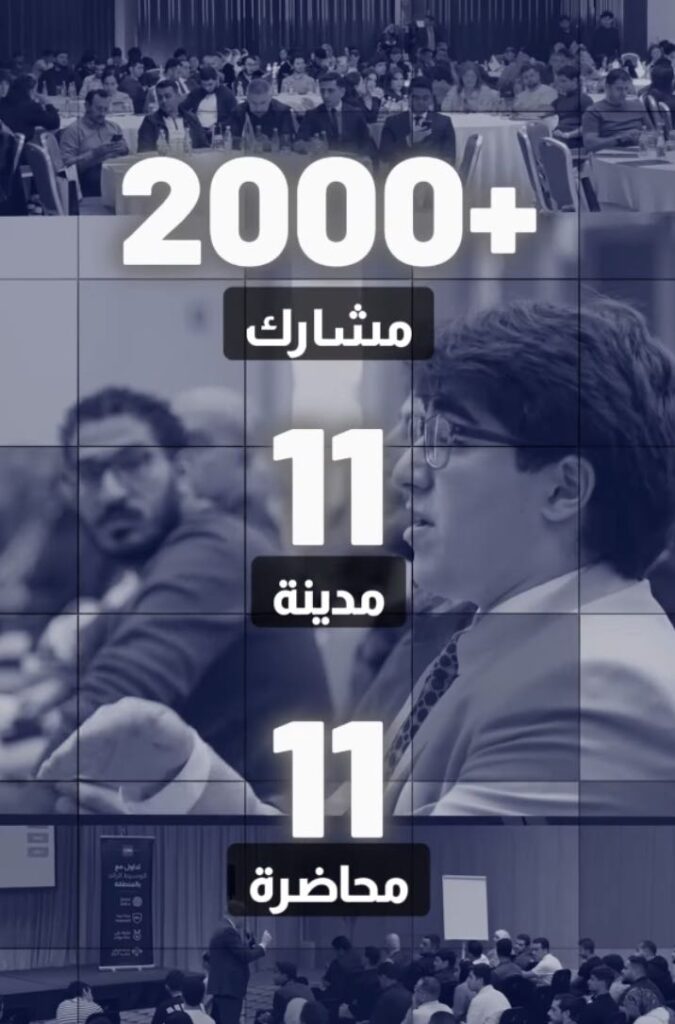
2,000 people attending your own seminars globally, particularly in higher value markets like the UAE, is pretty good.
Ultimately this is also why a company like CFI can make good money but seemingly have way less web traffic than its peers. Plus500, for example, will be absolutely hammering online ads and getting loads of traffic through.
CFI’s strategy, and to a lesser extent Equiti’s, seems more about doing IBs and ‘old school’ lead gen. But those activities are massively supported by huge investments in brand and other trust markers.
So even if traffic volumes to their websites are lower, my guess is that (1) just as many people know and trust their brands as higher volume peers and (2) the traffic they do get is way more targeted.
To top that off, you have the vaguer ‘cultural’ element. That boils down to companies from a certain country or region tend to better there. For example, XTB is number one in Poland, IG dominates in the UK, and IC Markets (at least historically) did really well in Australia. CFI and Equiti have the same advantage in the Middle East and North Africa.