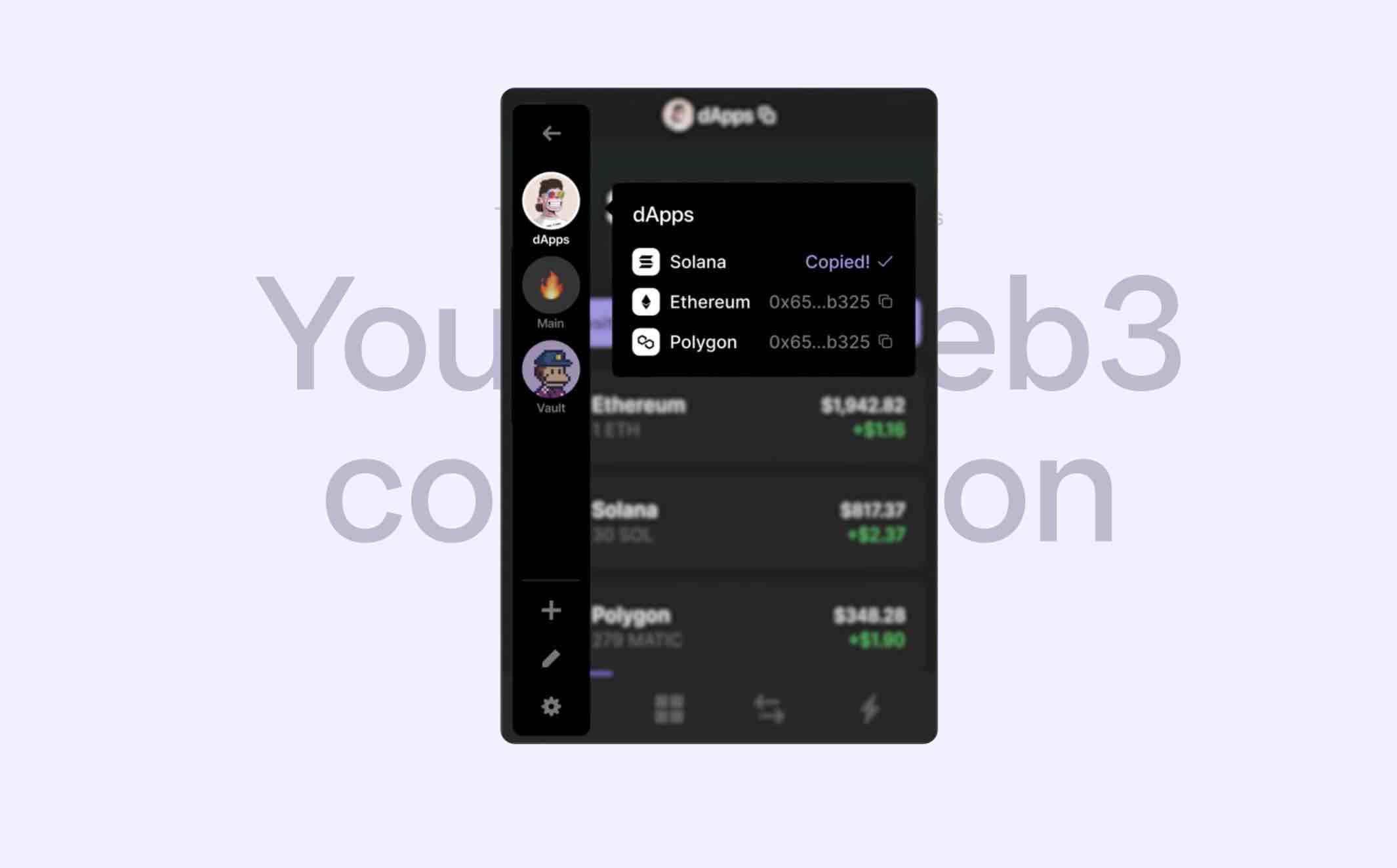
The Commodity Futures Trading Commission’s Market Participants Division on Tuesday issued a no-action position to Phantom Technologies, the developer of the Phantom self-custodial crypto wallet, stating it will not recommend enforcement action against the firm for failure to register as an introducing broker.
The relief covers Phantom’s software functions that allow users to trade derivatives on their own behalf with registered futures commission merchants, introducing brokers, and designated contract markets.
What Phantom cannot do
The position comes with a tight compliance perimeter. Phantom must not accept money, securities, or property to margin or guarantee trades. It cannot hold authority over customer funds, act as a principal to any trade, provide investment advice, or play any role in clearing or settlement.
The CFTC staff is drawing a line between a software interface and a regulated middleman. Phantom can serve as the connective layer between a user’s wallet and a registered venue, but it cannot behave like a broker in any operational sense.
The no-action position is the first time the CFTC has addressed how self-custodial wallet software fits within the introducing broker registration framework. The decision is significant for wallet firms trying to reach regulated futures rails without becoming intermediaries.
A no-action position is a statement by agency staff that they will not recommend enforcement on a described set of facts and conditions. It does not constitute a binding rule, a formal approval, or blanket relief for other wallet providers.
“This no-action position provides clarity to market participants and reflects the Commission’s commitment to supporting the development of innovative technologies in the derivatives markets,” said the MPD Director.
The Phantom letter lands less than a week after the CFTC and SEC announced a joint Memorandum of Understanding aimed at reducing registration friction for crypto-native infrastructure and harmonising oversight of digital assets.
Phantom had spent much of 2025 engaging with federal regulators on the question of whether self-custodial wallet software should trigger broker registration requirements, including formal meetings with the SEC’s Crypto Task Force.