


cBridge: Same leading tech, 80% lower pricing
We’re back with a new issue of The C-Suite, a once-a-month interview where we speak to senior figures in the online trading industry.
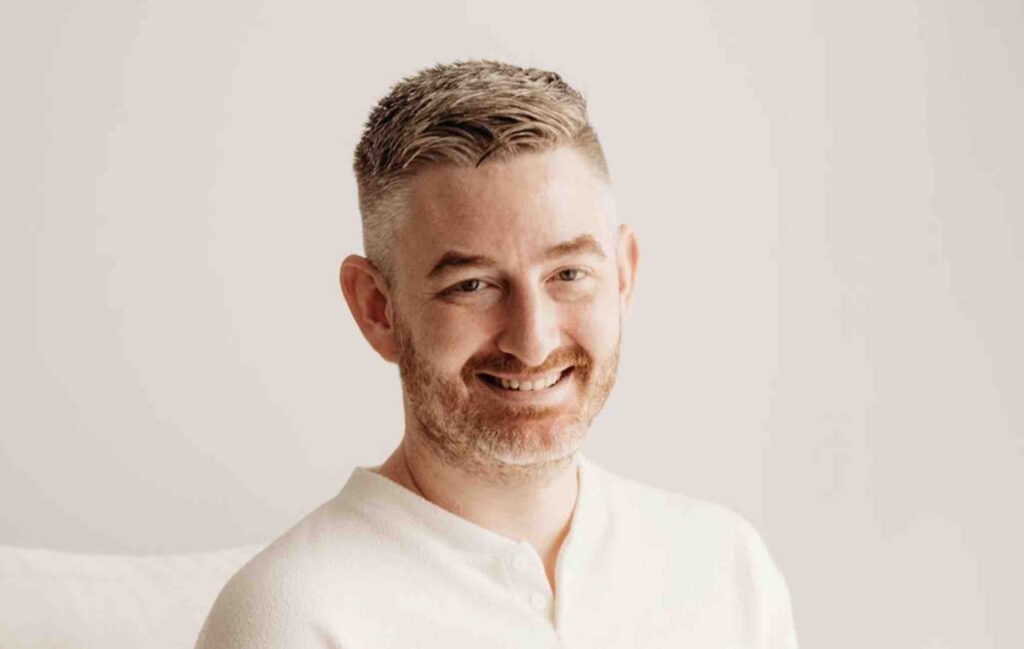
This time we’re talking to Benjamin Boulter, who is the CEO and Founder of new broker TabTrade.

Get real prime-of-prime liquidity from ATFX Connect
Ben was previously at Pepperstone and also spent just over seven years at BlackBull Markets. TabTrade went live earlier this year and we spoke to Ben about why he launched the broker and what the company’s plans are.
TabTrade is obviously a new brand and starting a new broker today might be easy, but it isn’t super cheap. Can you say who is backing it? Is it just you, or do you have investors?

I am the main backer, but we do have other investors. I sold my family home to buy into BlackBull Markets before it was regulated. We hit a nine-figure valuation and sold out three years ago, so that was a good bet to make.
Like I said, there are a few other investors. I’ve got a few people I’ve worked with for over a decade, back when we were at Pepperstone – some of the original team. We’ve worked in the industry for other people for a long time, and we figured we’d put our skills together and start from scratch with ownership of the business. TabTrade is a simple version of everything we’ve tried to do, or wanted to do, over the years. But now we can do it for ourselves.

Launch branded prediction markets today with Match-Trader
A lot of companies end up being copy-pastes of one another, which is not really a criticism. It’s just because of the nature of the product. But based on what you said, what sorts of things do you think you can bring that are new or interesting to the market? When you say you can do the things you wanted to do, what were they?
I think it really boils down to keeping it simple and also just accepting changes in the industry. The reality today is that we are not in a pre-2018 world anymore. Most customers are not fixated on a brand having a certain license now. So we are not going down the super expensive, overly regulated market route.

Trade crypto CFDs with Scope Prime
What I think people want is ultimately pretty simple. They want a few products, with good leverage, and they want to do it with a broker that offers them good trading conditions and a secure environment.
We are seeing some changes to that with prop trading and event contracts, which is something we’re looking at. But the bottom line is that we just want to keep it very simple, focus on giving people what they want, and not bcome some kind of massive behemoth, with loads of red tape and bureaucracy.

Manage your liquidity with Hantec Prime
On the prediction markets and prop stuff, is that something you will do, or is it just pure-play CFDs?
It’s on the radar. We haven’t properly penciled it into our roadmap. We haven’t considered making prediction markets a business model available to our clients, for example, or even touching the US market.

All the best brokers use Pelican for copy trading – why don’t you?
FX is the first thing. That’s what we all know and we’re very comfortable with that. We have prop in the works, and that’ll be launched later this year. We just did our first demo competition to pave the way for it. We’re not using any third-party software for these things; we’ve just been developing everything ourselves. It’s actually really good timing with the tools that are available to create a business like this now. Claude is basically one of our staff members at this stage.
My impression is that a lot of the big Aussie brokers are very successful because they have better relationships in APAC compared to some of the big guys based here in the UK, who have much lower risk appetite and, perhaps just because of geography, don’t really do that well in that region. Is that a fair observation?

Manage your broker’s risk with Centroid Solutions
There is probably an element of that. Anyone with a bankroll can create a forex broker, and they’ll have varying degrees of success. What separates the successful ones is the networks and connections.
If you’ve got some good partners, introducing brokers, business development managers, or some source of traffic and good salespeople to convert it, then it’s a competitive advantage. We’ve been doing this for a long time, so we’ve got some business development managers in different regions focusing on country-specific strategies. We are just starting out so it’s early days but we are doing quite well in Thailand, for example.
Is that a tough thing to do though? It seems like the ASEAN region is one that almost everyone targets very, very heavily.
It is very hard and it’s extremely saturated. It’s difficult because there are different demands coming from all sides. Clients are looking for good trading conditions. Thailand has a lot of similarities with the China market, and how some of the other Southeast Asian markets have run over the years.
It’s heavily partner-driven. You’ve got introducing brokers who have a portfolio of clients that will literally move from broker to broker as they are told or advised. But then those clients want extremely good conditions. So that can be a tough balancing act.
I’m happy with how we’ve done so far because we haven’t done any serious marketing spend. So I hope that when we start brand building more, we’ll begin to see an even better return on our investment.
On the point of clients wanting good pricing, this is something I always find interesting. Most providers use their spreads heavily in advertising. But if you look at the UK market, some of the biggest players, like Trading 212, offer CFD spreads that are actually really bad. But then they are also the biggest players in the market. So that leads me to think either pricing isn’t that important or there is a subset of clients for whom it is not that important.
It depends. If you are a first-time or casual trader, then probably spreads and pricing won’t be that big of a deal for you. For other clients, it absolutely is a big deal.
During my time, I’ve A/B tested a lot of these key selling points, like support hours, minimum funding amounts, spreads, leverage, and so on.
A lot of research has gone into what those items are. We can’t be the best at everything and for the target market that we want to go after, pricing is definitely a key part of what they are looking at.
Is there anything that has surprised you since starting the company? You were obviously in a senior position at BlackBull but working in a company is still very different to being the boss and the CEO.
There are a lot of little things. Getting the licenses, getting the payment service providers, building the system, bringing in the staff – I was pretty familiar with the whole process because of that experience.
I think the biggest shock going through the process again is how much more competitive it is and how much more expensive it is. Things that were free a decade or so ago, you’re now paying thousands of dollars and waiting weeks for.
Across the board, expenses have gone up, and it’s just a lot more expensive. I think the market’s moving towards an equilibrium in its maturity. Those days of crazy profitability percentages are starting to dwindle, and that’s just the way things go.
Do you ever look at it and just feel like, is this whole thing going to die and get banned? Because of the phenomenon you described at the start of the interview, with regulators hating on it so much.
I mean I have to think about regulatory matters every day but I don’t think it will die. I think it’s normal that an industry changes and evolves, which is what has happened.
Most of our traders now use EAs and are on gold. That wasn’t the case when I started out. Crypto firms are now coming into the space. They didn’t exist when I started out. Now you have prop trading and the big firms from that sector entering the CFD space.
So things have changed a lot and I think that’s normal for any industry. For us it’s about finding our niche. What we think is that, despite all the changes, there is still demand for that core, simple product. And actually, because a lot of players want to move away from that, and do lots of products, that can end up being an advantage for us.